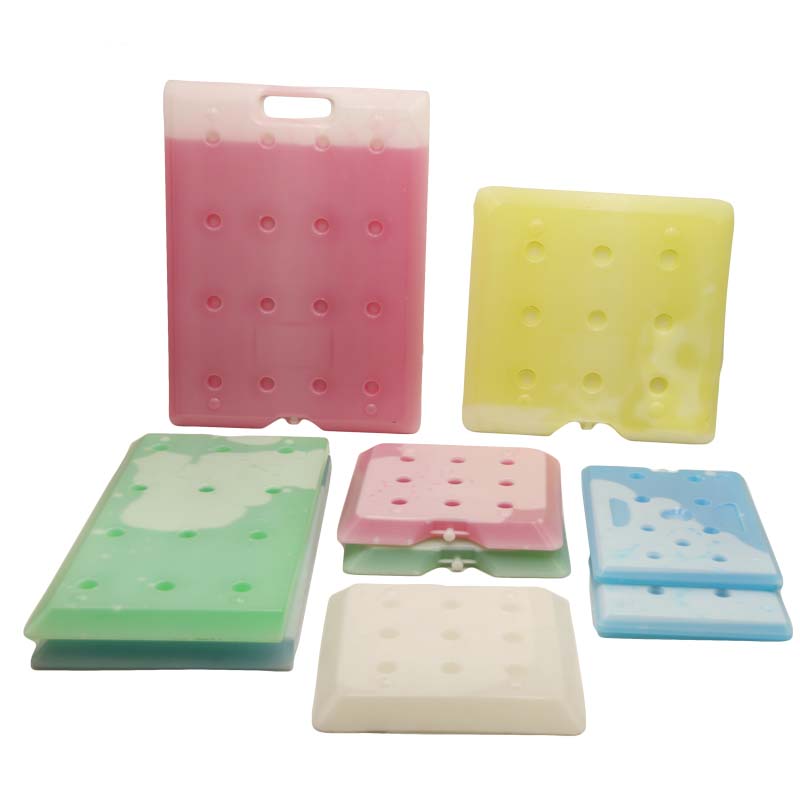

In our increasingly interconnected world, the seamless transport of temperature-sensitive goods—from life-saving vaccines and pharmaceuticals to fresh seafood and gourmet meals—relies on an invisible network known as the cold chain. At the heart of this critical logistics system lies a surprisingly simple yet indispensable tool: the ice pack.
The Science Behind the Chill
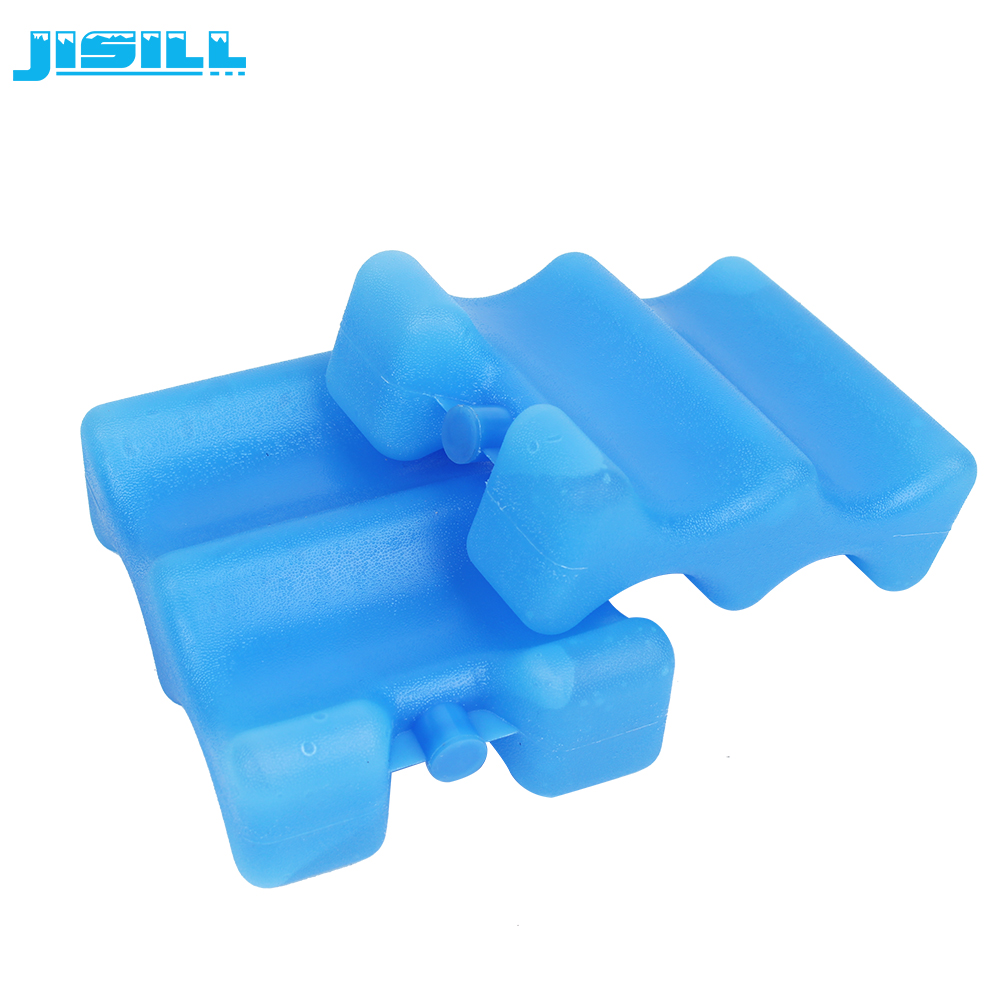
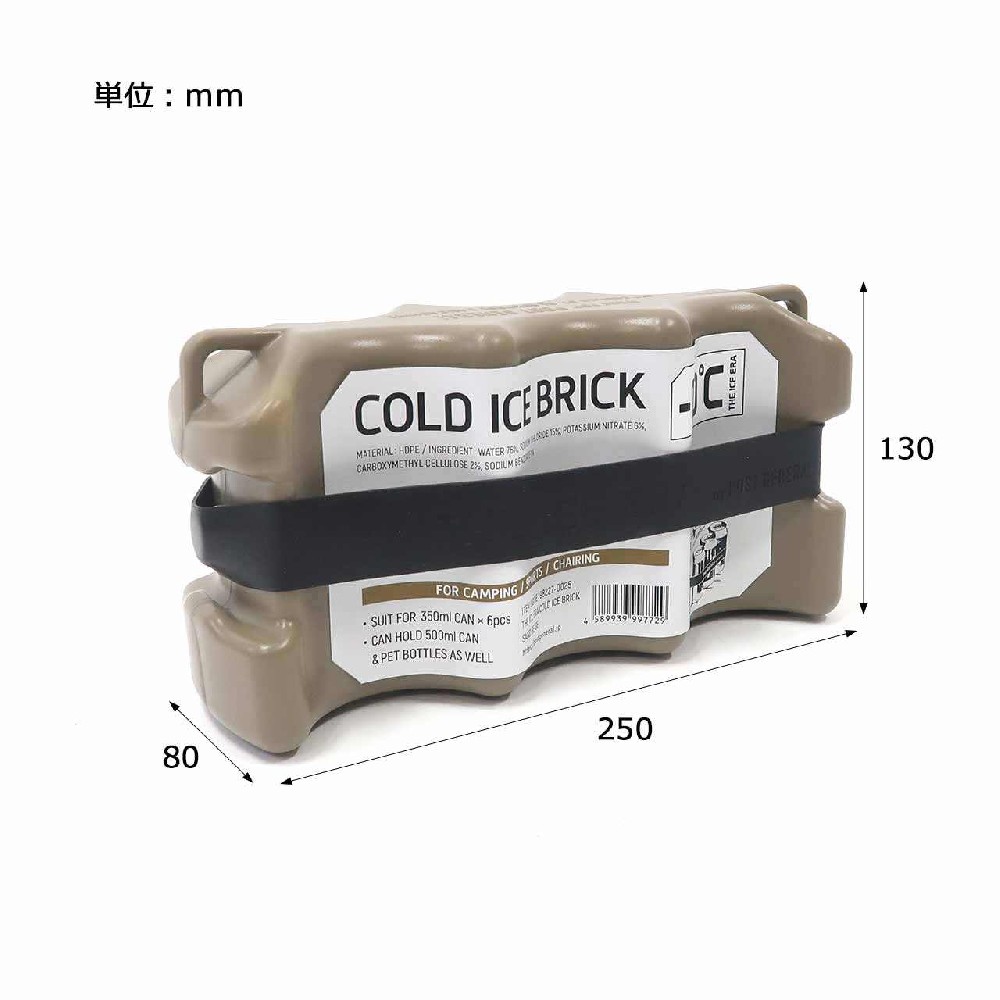
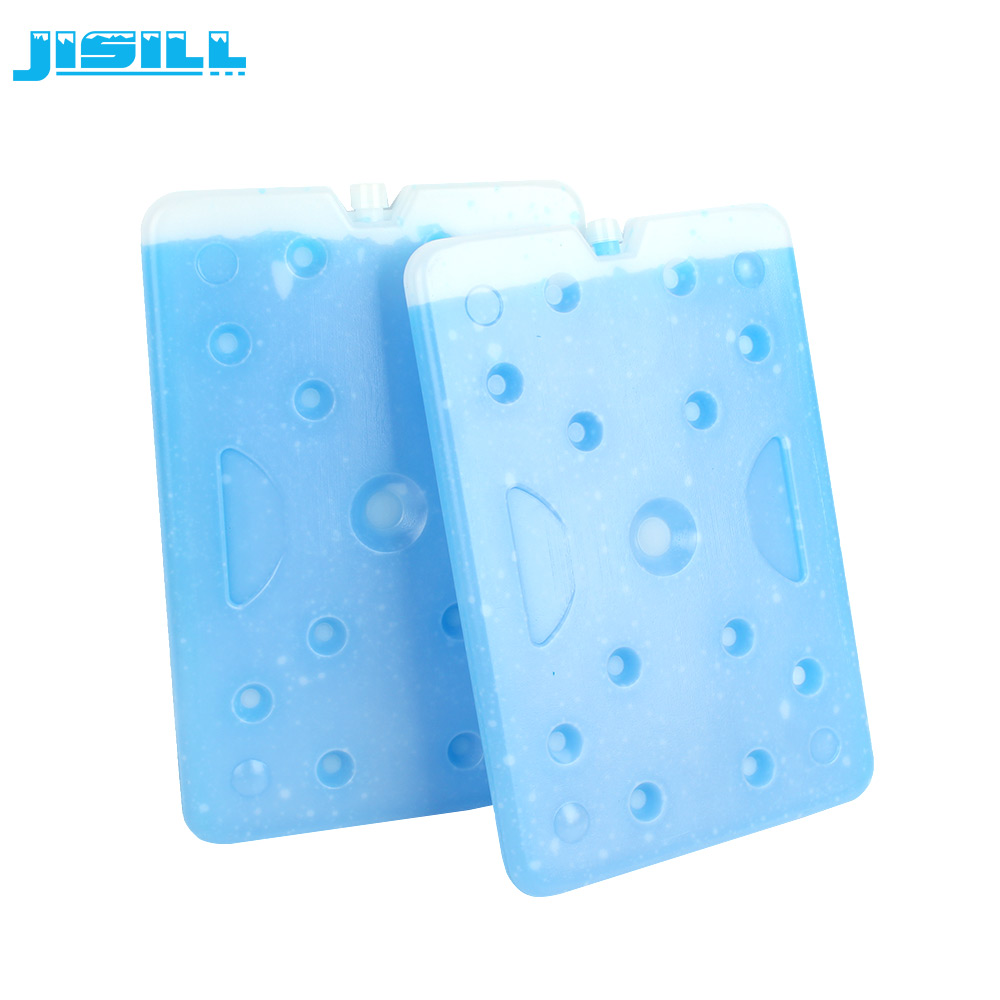
Not all ice packs are created equal. While traditional ice made from water is effective, it creates a messy meltwater problem and maintains a rigid 0°C (32°F) freezing point. Modern cold chain ice packs are typically filled with a non-toxic, gel-based solution.
Phase-Change Materials (PCMs): The real magic lies in specialized gels known as Phase-Change Materials. These compounds are engineered to freeze and melt at specific temperatures. For instance, a PCM gel pack might be designed to maintain a consistent 2-8°C range—the critical range for many pharmaceuticals and biologics—for extended periods, far outperforming plain water ice.
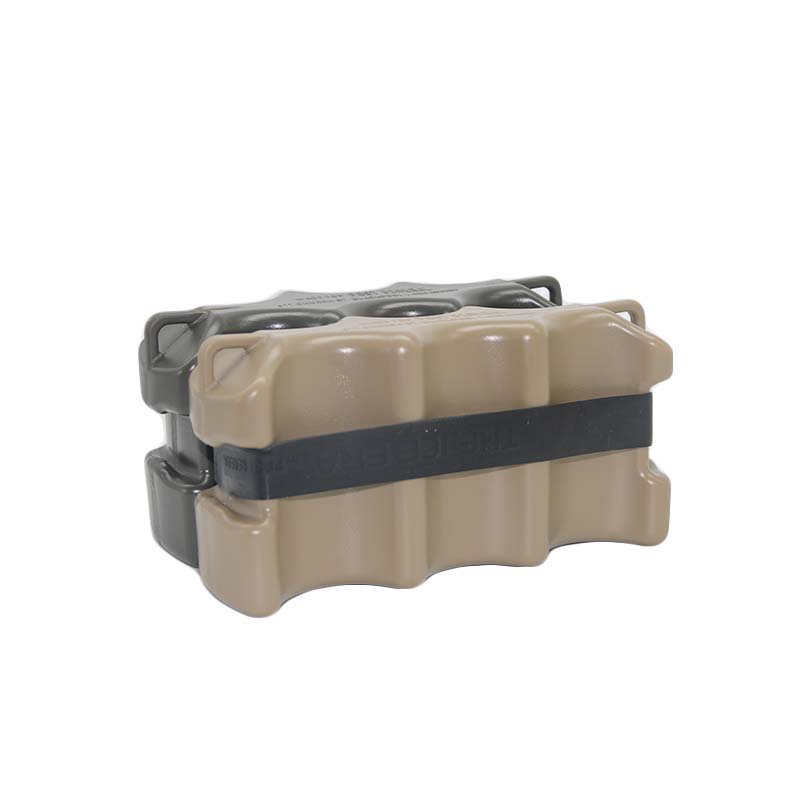
Eutectic Plates: Another advanced variant, these plates contain a salt solution that freezes at sub-zero temperatures, ideal for deep-frozen goods.
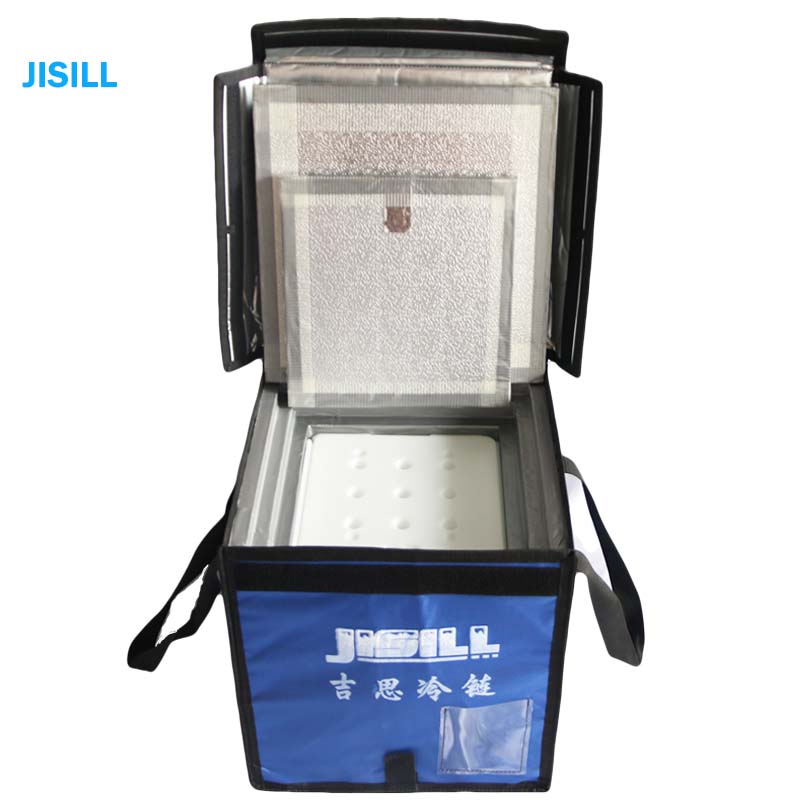
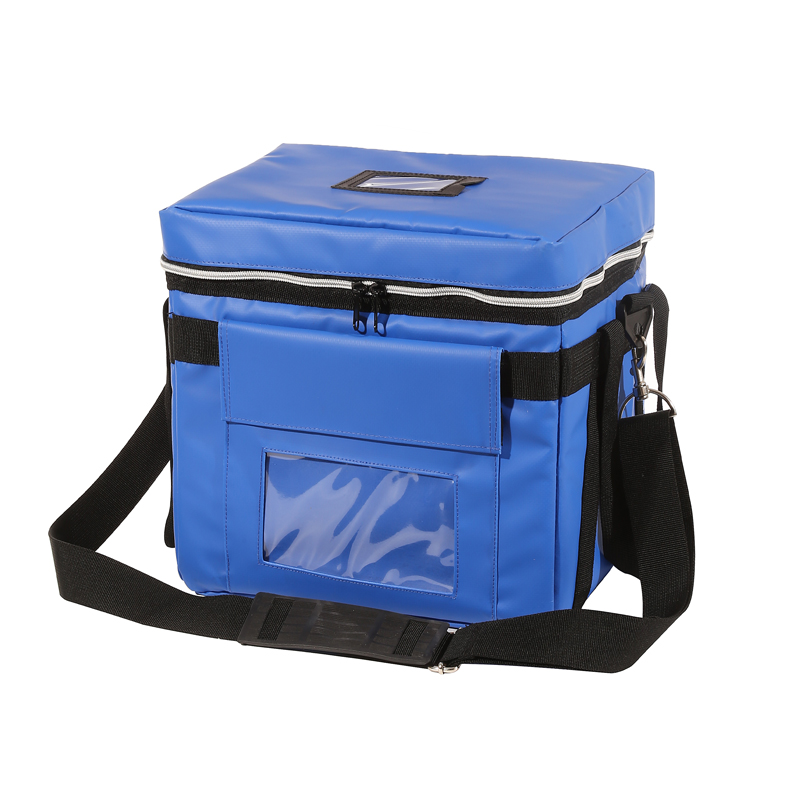
This technology allows logistics providers to create precise, stable thermal environments inside insulated shipping containers, regardless of external temperatures.
Key Applications in the Cold Chain
1. Pharmaceutical & Healthcare Logistics
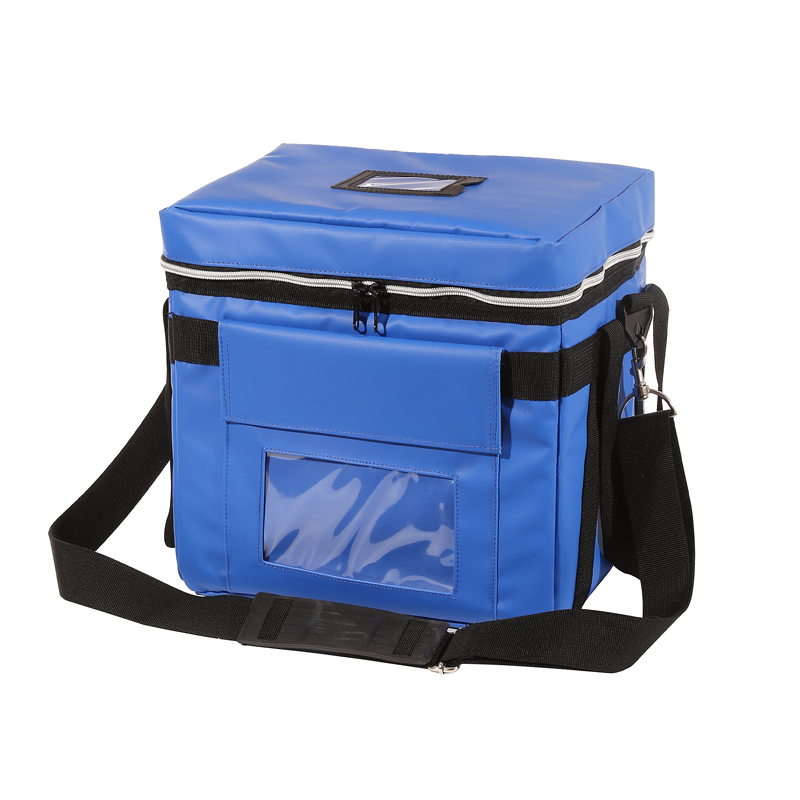
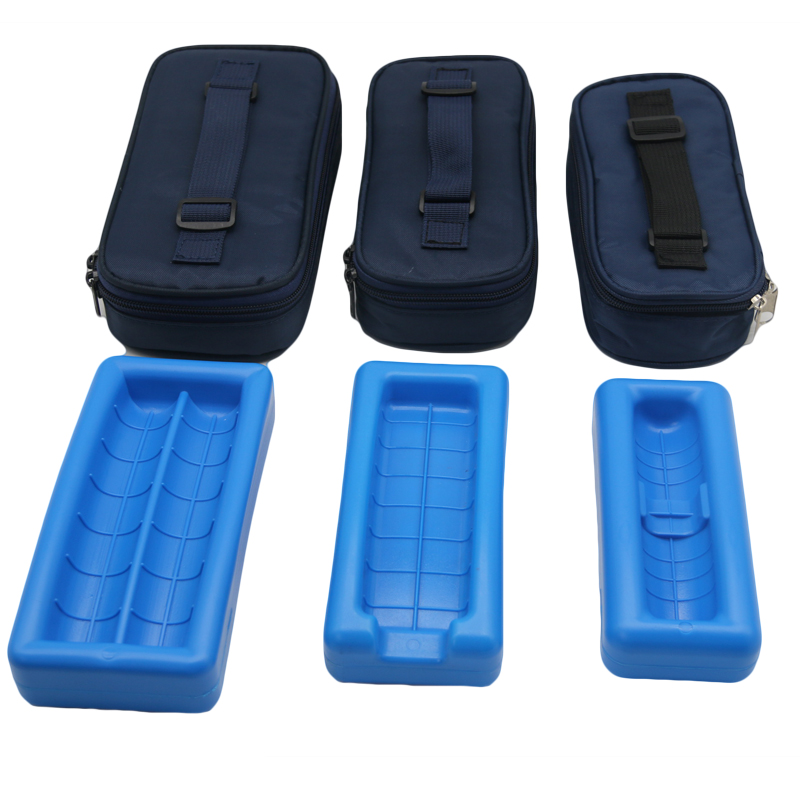
This is arguably the most critical application. Many vaccines, insulin, biologics, and clinical trial samples must be kept within a strict 2-8°C "cold chain" from manufacturer to patient. Ice packs (often paired with insulated shippers) are the standard solution for last-mile delivery, enabling patients to receive their medications safely at home. The rise of telemedicine and direct-to-patient pharmaceutical services has further amplified their importance.
2. Food & Beverage Delivery
The explosion of meal-kit services (HelloFresh, Blue Apron), gourmet food subscriptions, and online grocery delivery has been fueled by reliable cold chain packaging. Gel packs keep ingredients fresh, prevent bacterial growth, and ensure that your salmon and steak arrive dinner-ready, not spoiled. They are also essential for shipping specialty items like artisan cheeses and chocolates.
3. Fresh Produce & Seafood
Maintaining the crispness of fresh greens or the quality of flash-frozen seafood during transit is a massive logistical challenge. Ice packs provide the necessary cooling without the water damage associated with melted ice, preserving texture, flavor, and nutritional value.
4. E-commerce & Specialty Goods
From premium cosmetics and certain chemicals to live organisms for laboratories or aquariums, a wide range of non-food products also require temperature-controlled shipping. Ice packs offer a flexible and cost-effective solution for small to medium-sized shipments.
Advantages Over Alternatives
Why choose ice packs? They offer a unique blend of benefits:
Cost-Effectiveness: They are relatively inexpensive and reusable, making them ideal for scalable operations.
Flexibility: They can be shaped and sized to fit various containers and fill empty spaces, minimizing warm air pockets.
Safety & Cleanliness: Gel packs don’t leak like melting ice, protecting products from water damage and contamination.
Performance: Advanced PCM packs provide longer-lasting, more stable temperature control than simple alternatives.
Best Practices for Effective Use
Maximizing the efficacy of ice packs requires strategy:
Pre-conditioning: Packs must be fully frozen (or tempered to the correct phase-change temperature) before use.
Strategic Packing: They should be placed at the top and sides of shipments, as cold air sinks. Proper ratio of pack volume to product and insulation is key.
Insulation is Key: High-quality, thick-walled insulated containers or liners are mandatory to extend the cooling duration.
Know Your Timeline: Match the pack's "hold time" specification to the expected transit duration, always adding a safety buffer.
The Sustainable Cold Chain: Reuse and Innovation
The environmental impact of single-use packaging is a growing concern. The industry is responding with:
Reusable Programs: Many companies now use durable ice packs designed for multiple round trips within a closed-loop system.
Biodegradable Options: Innovations include gel packs made from plant-based, non-toxic, and biodegradable materials.
Efficient Design: Thinner, more efficient packs that use less material but provide equal or better cooling performance.